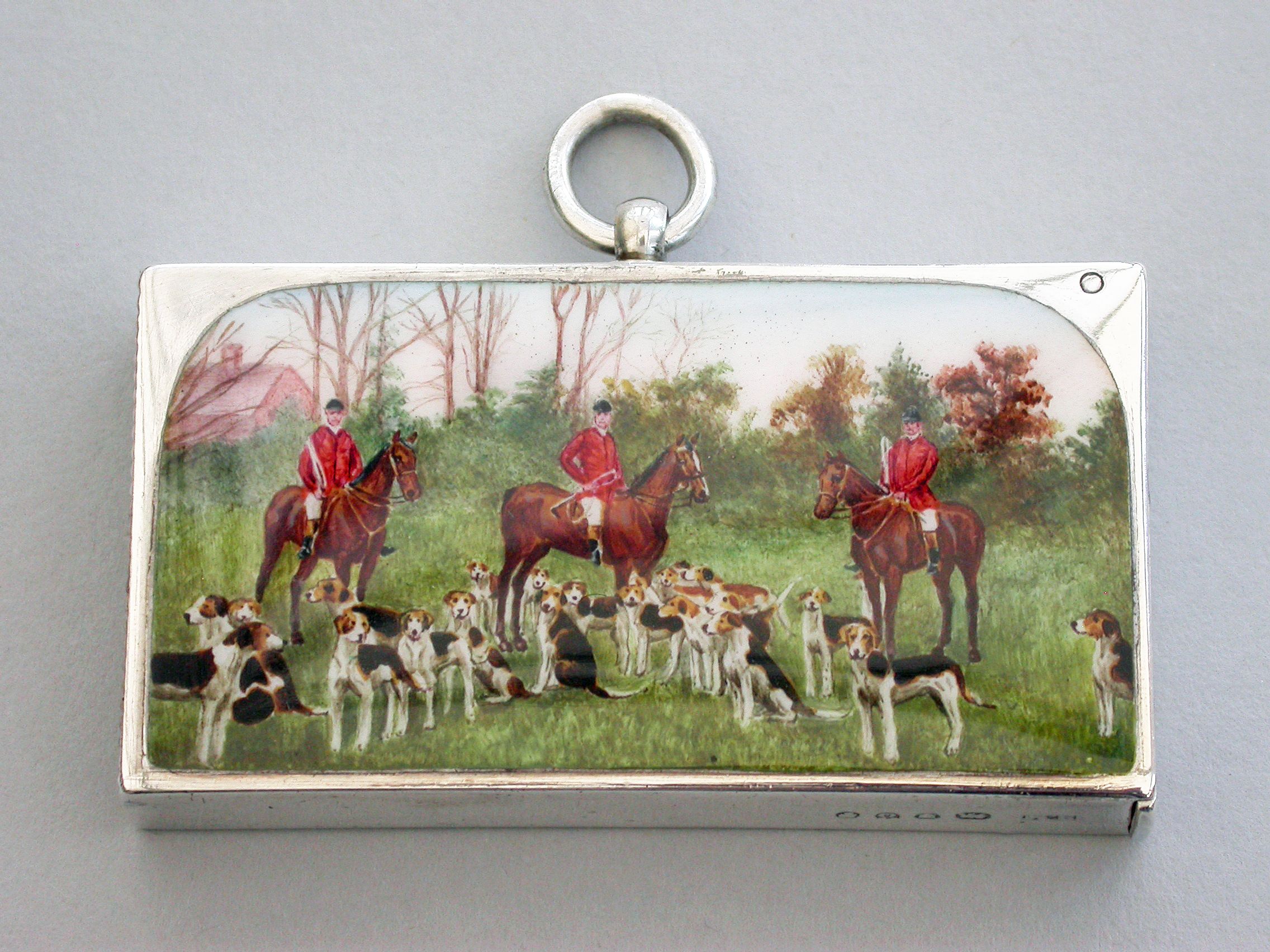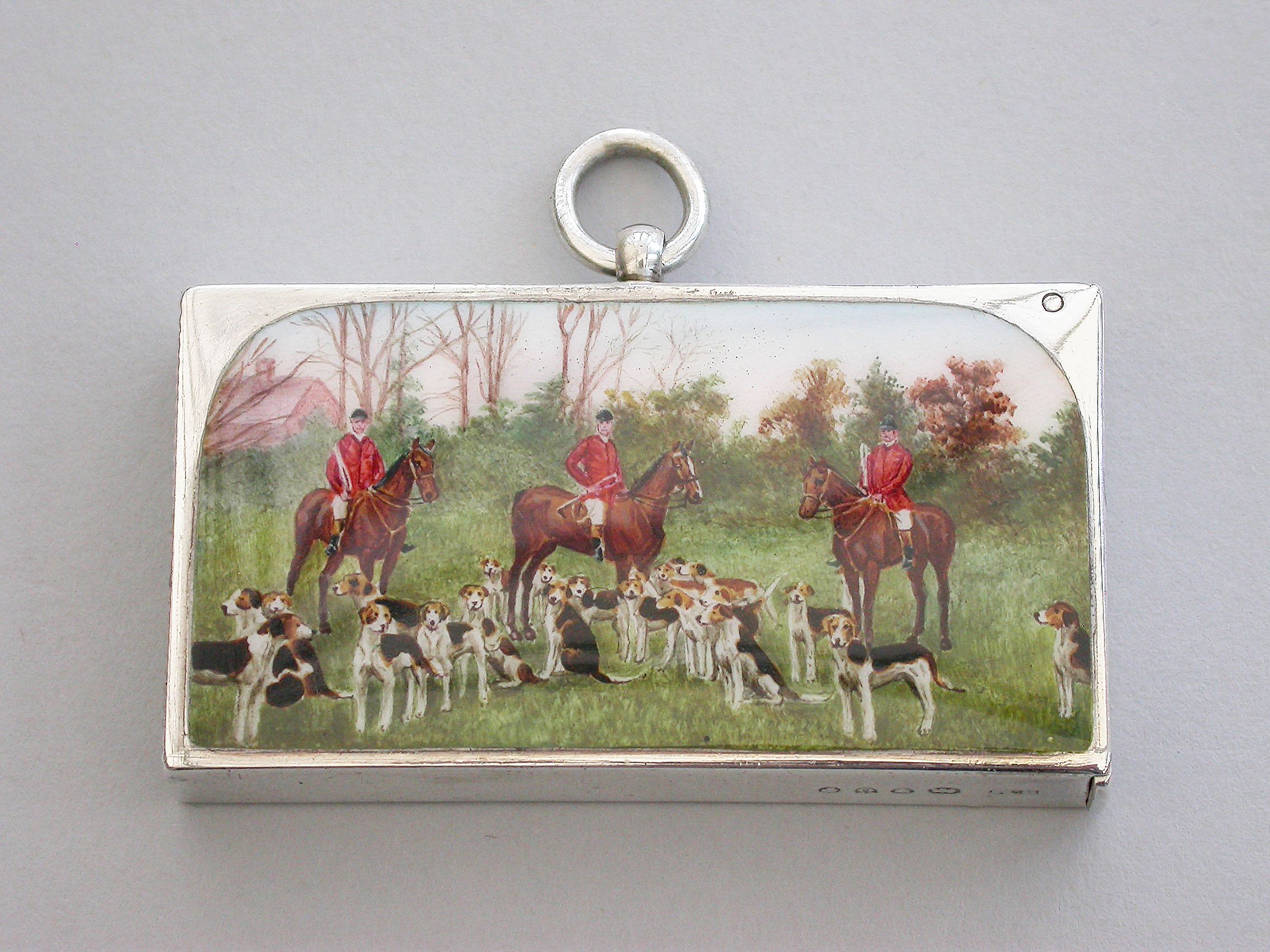

Victorian Silver & Enamel Quorn Hunt Vesta Case
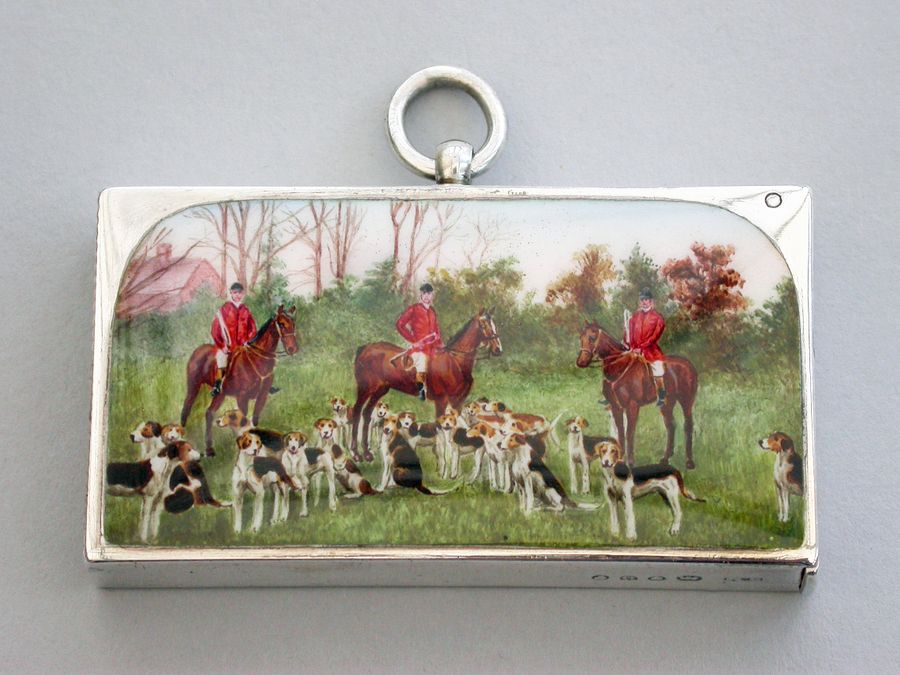
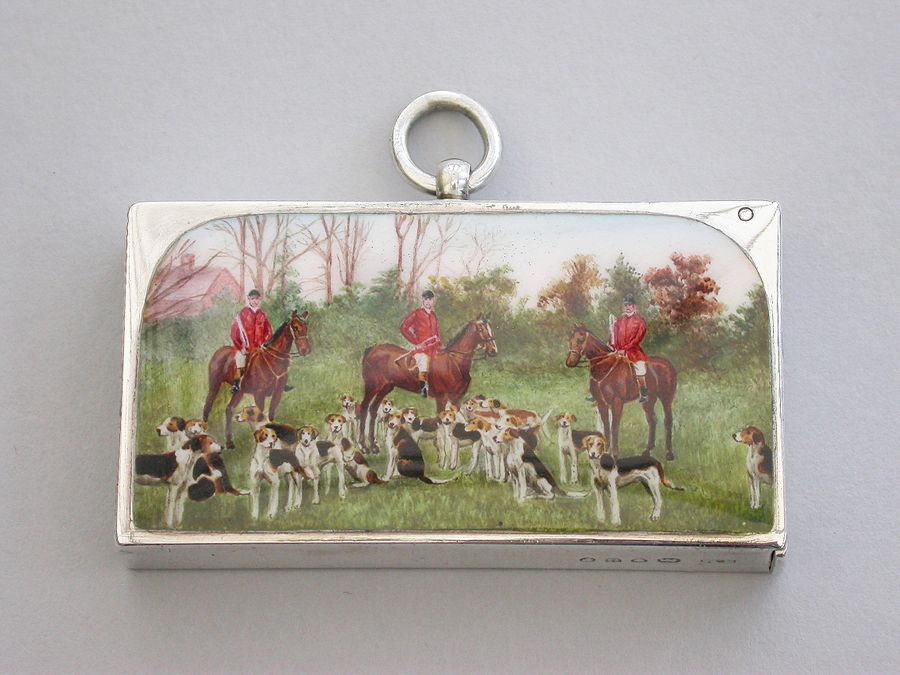
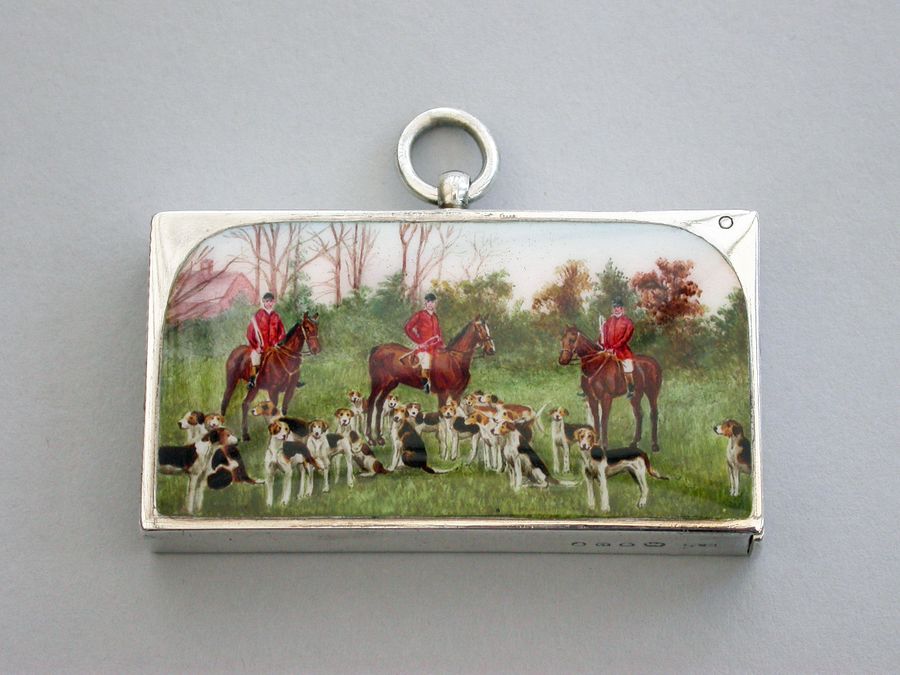
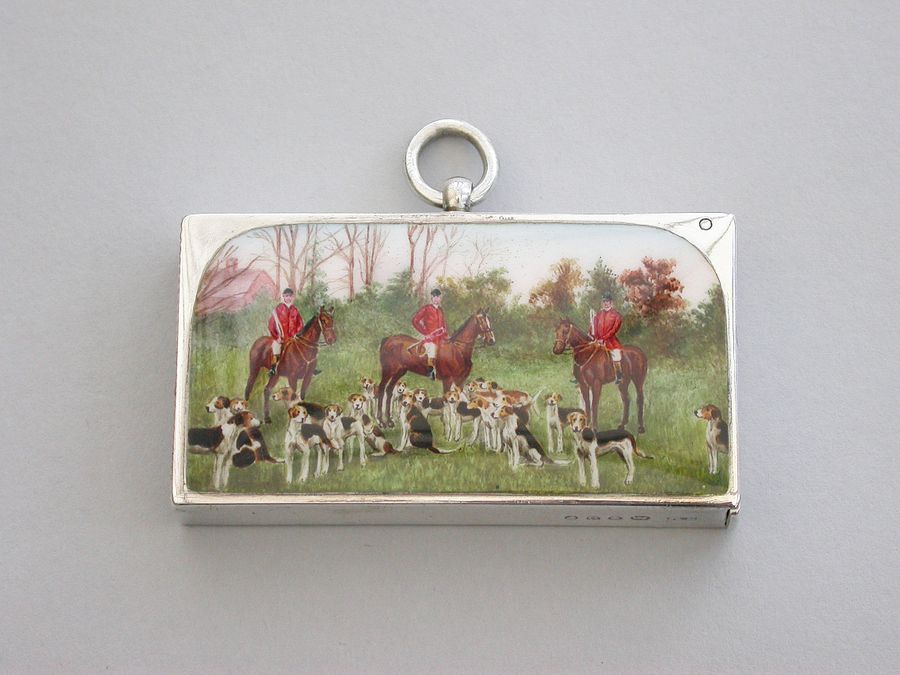
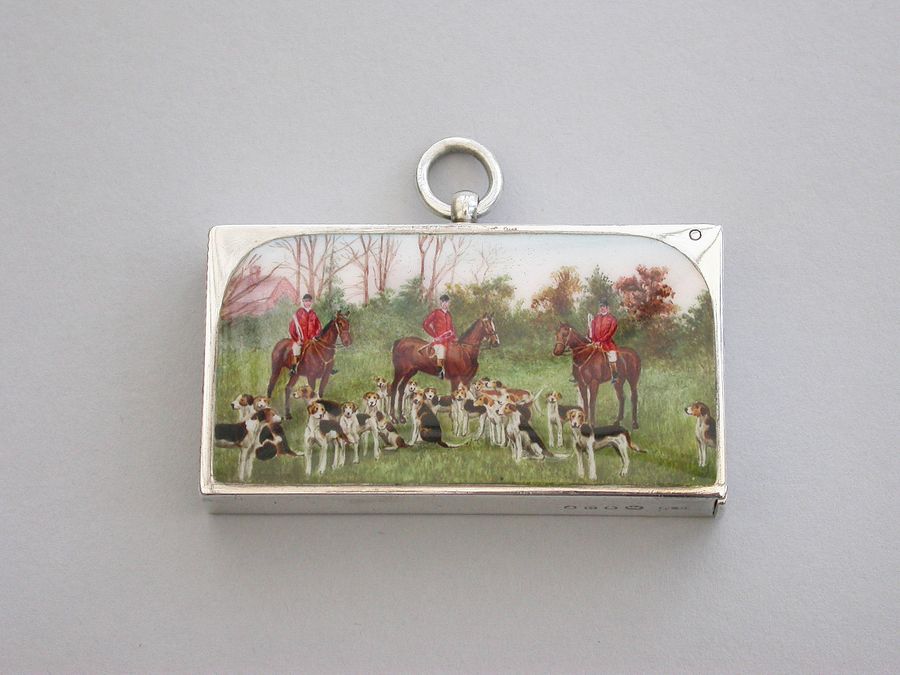
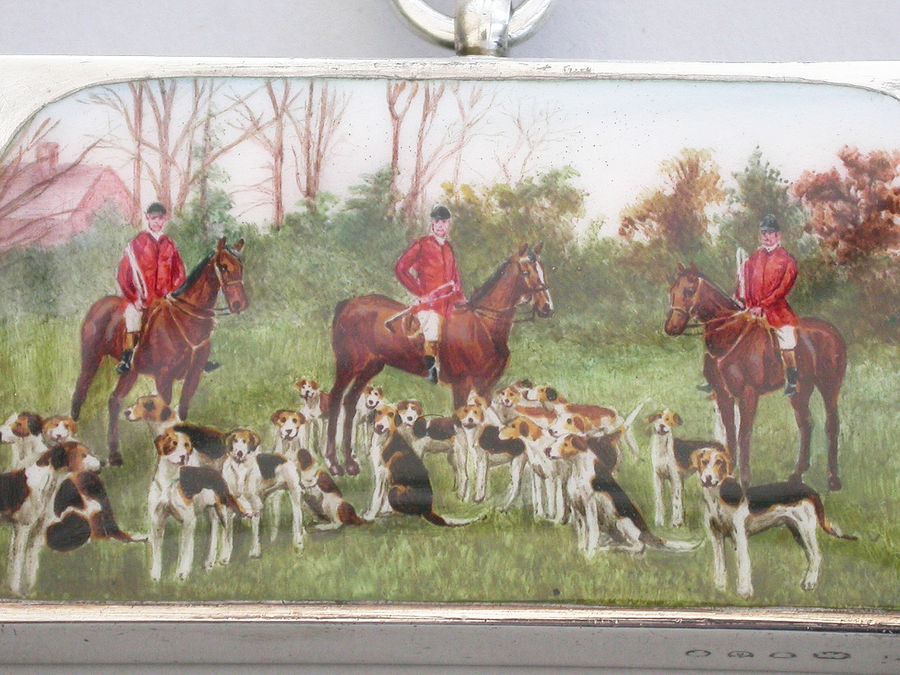
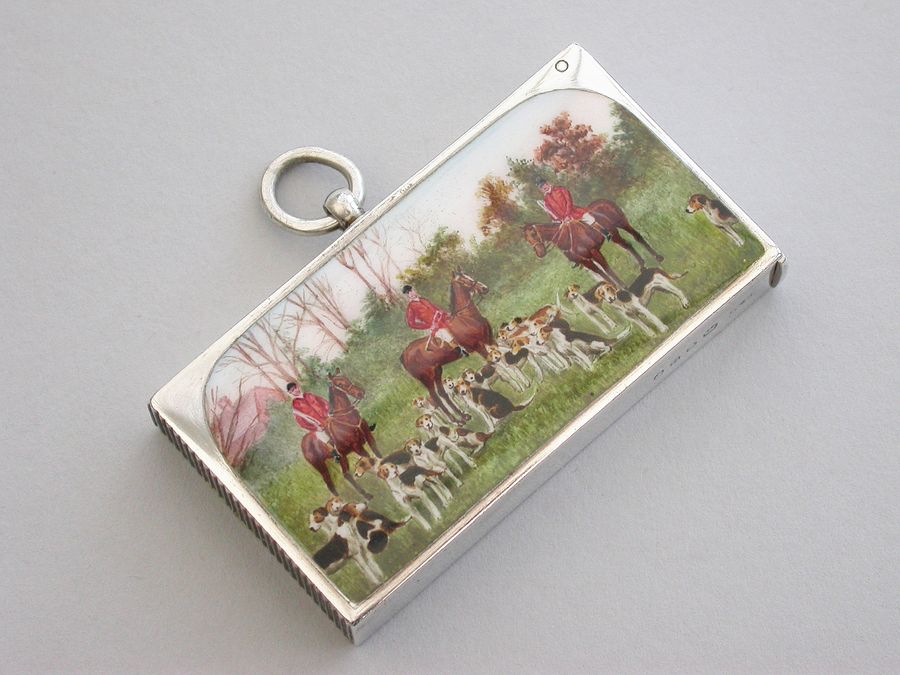
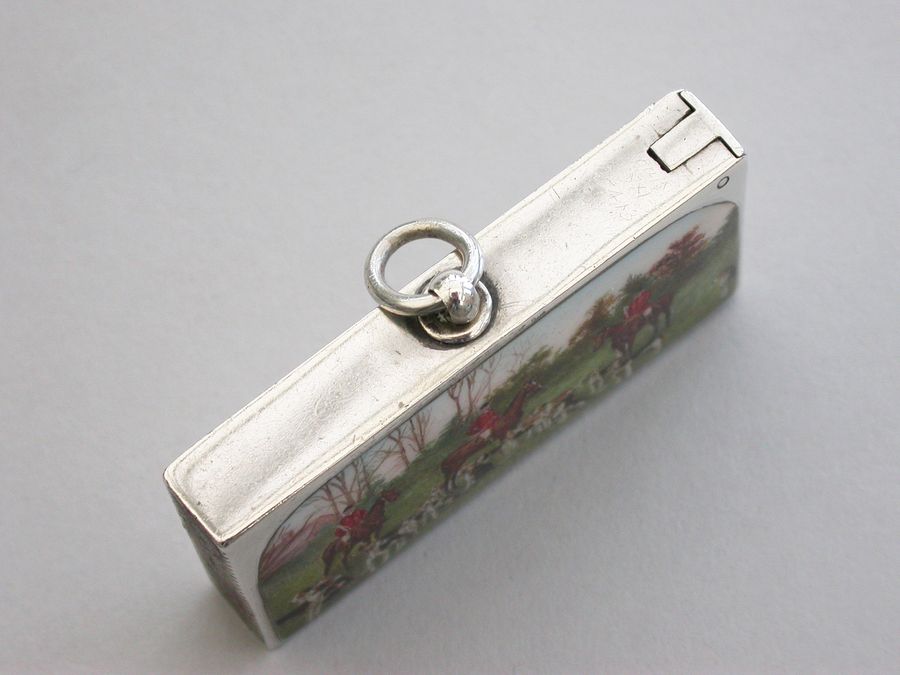
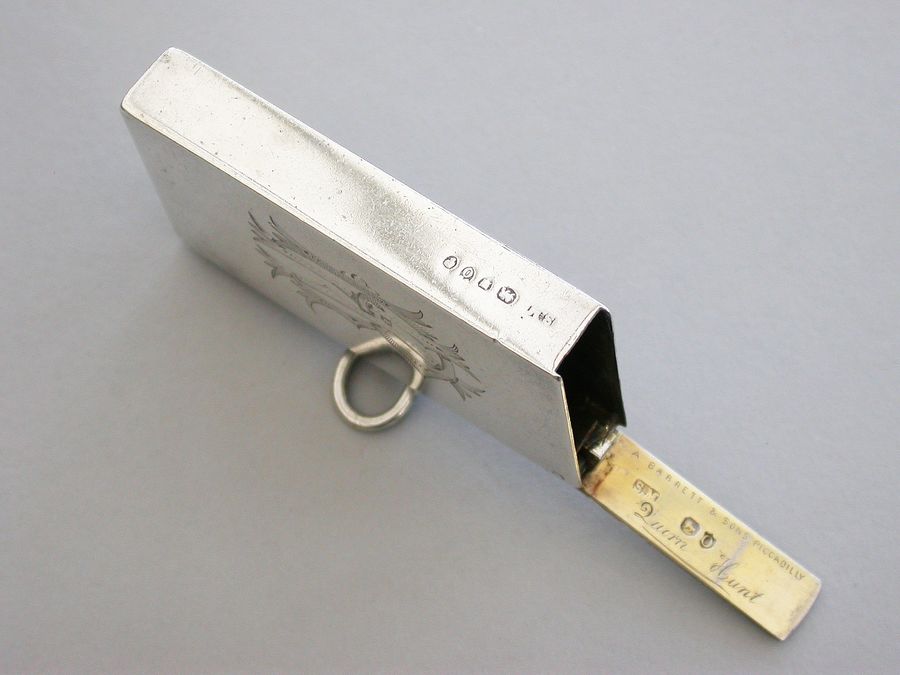
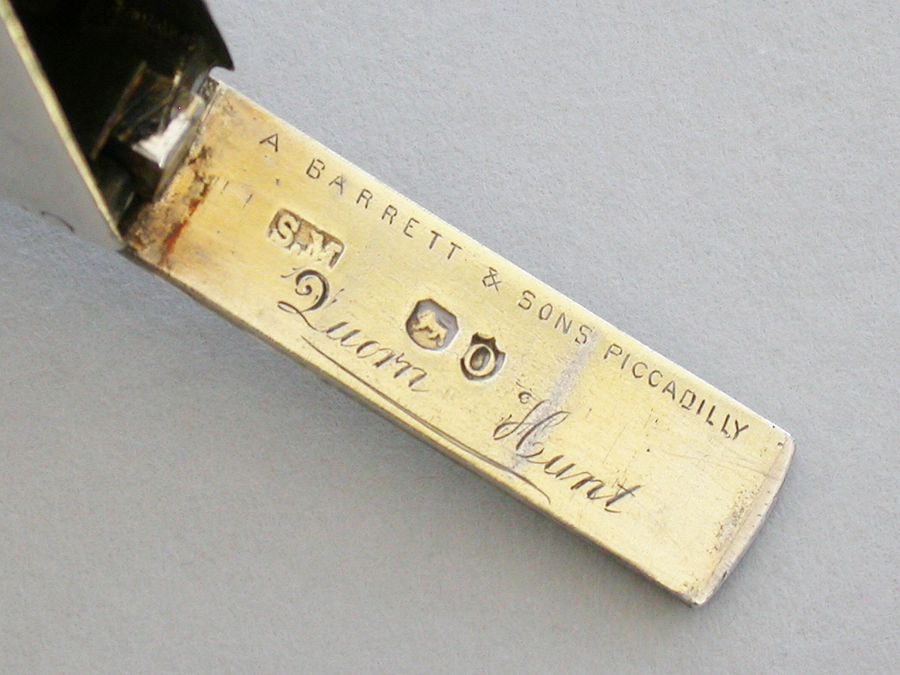
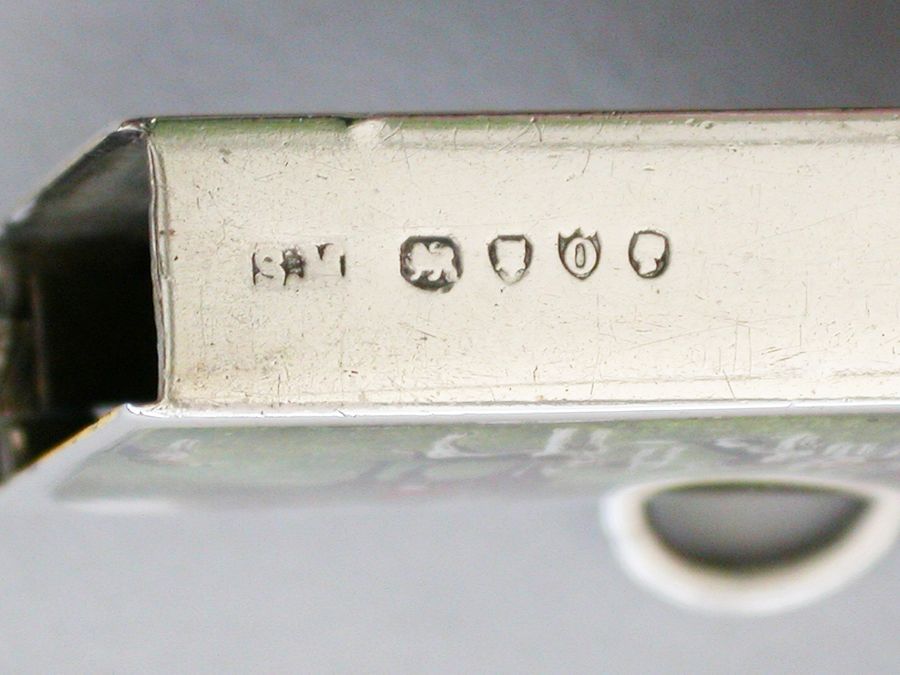
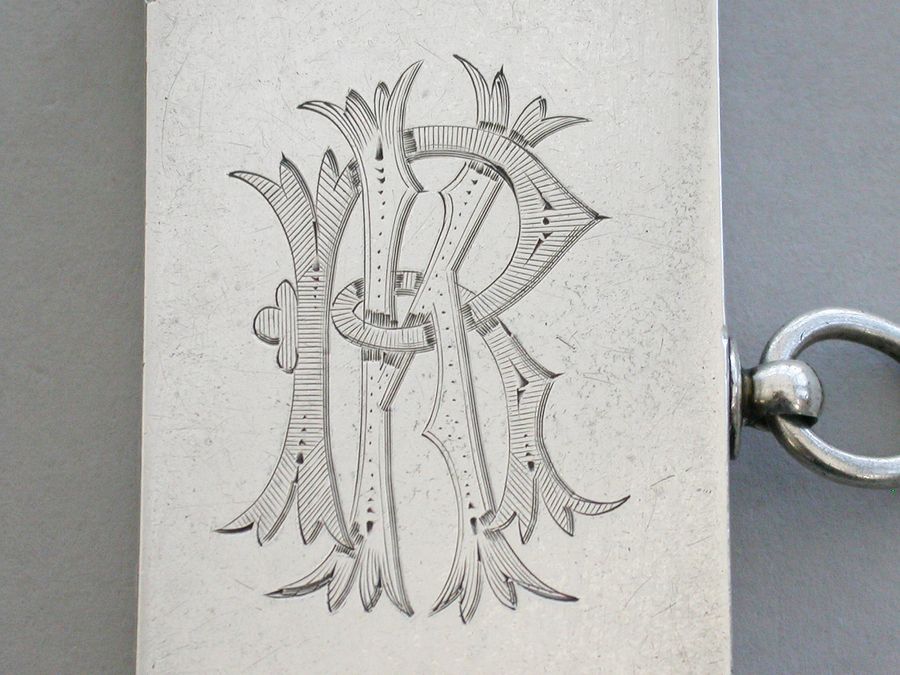
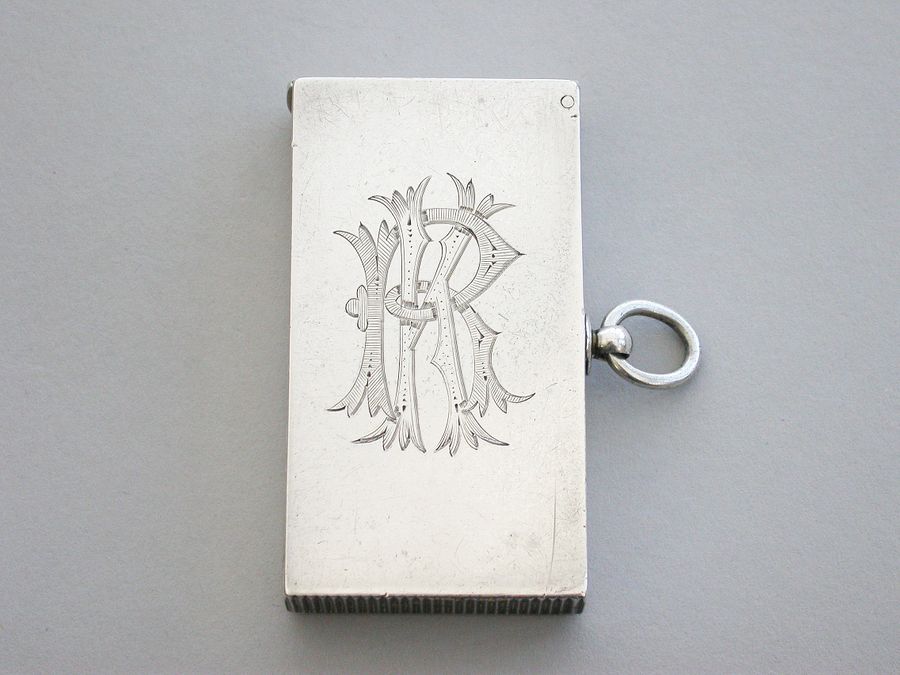
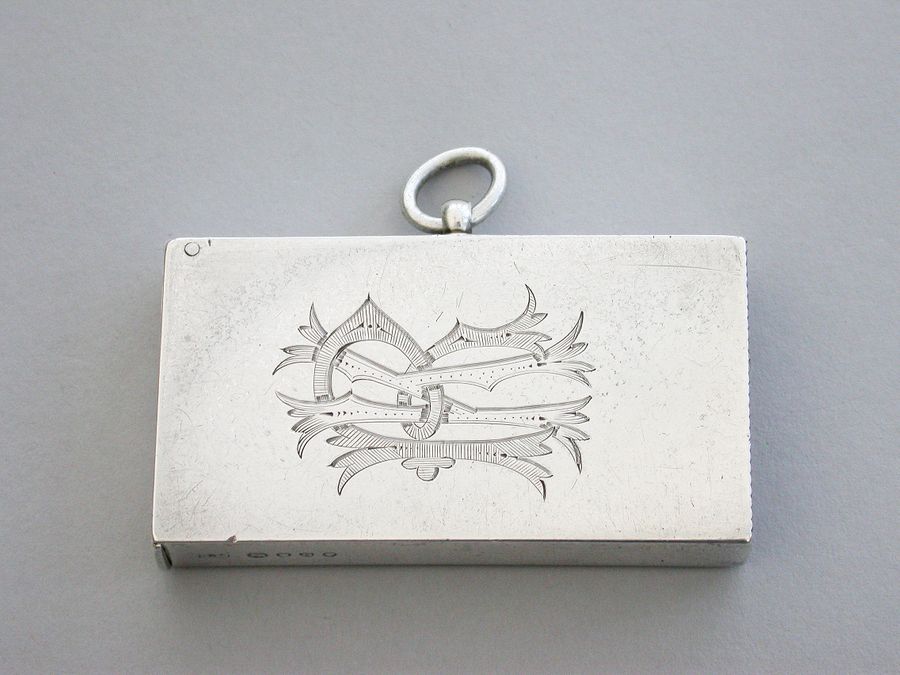
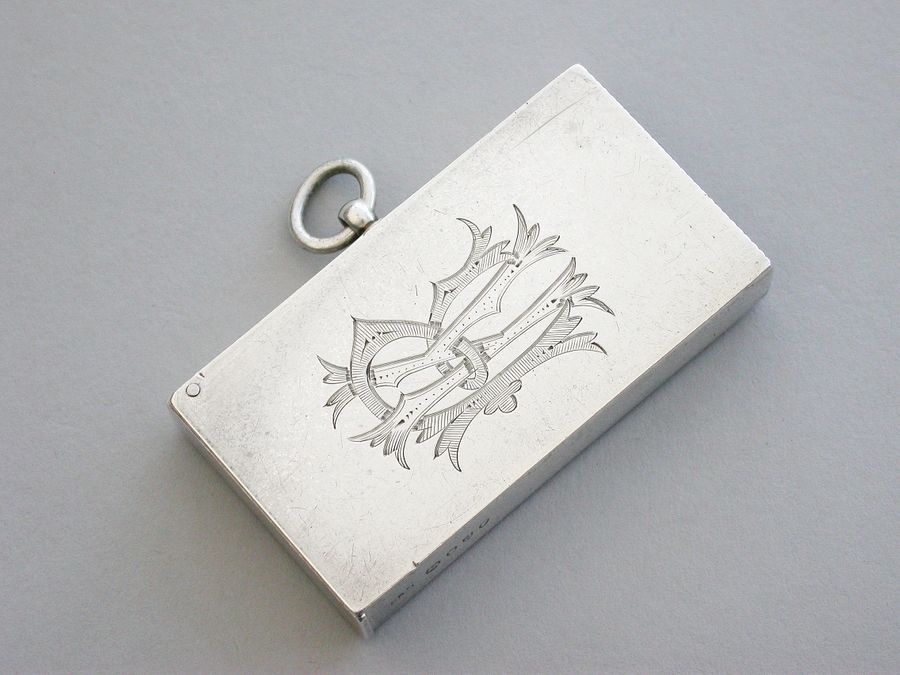
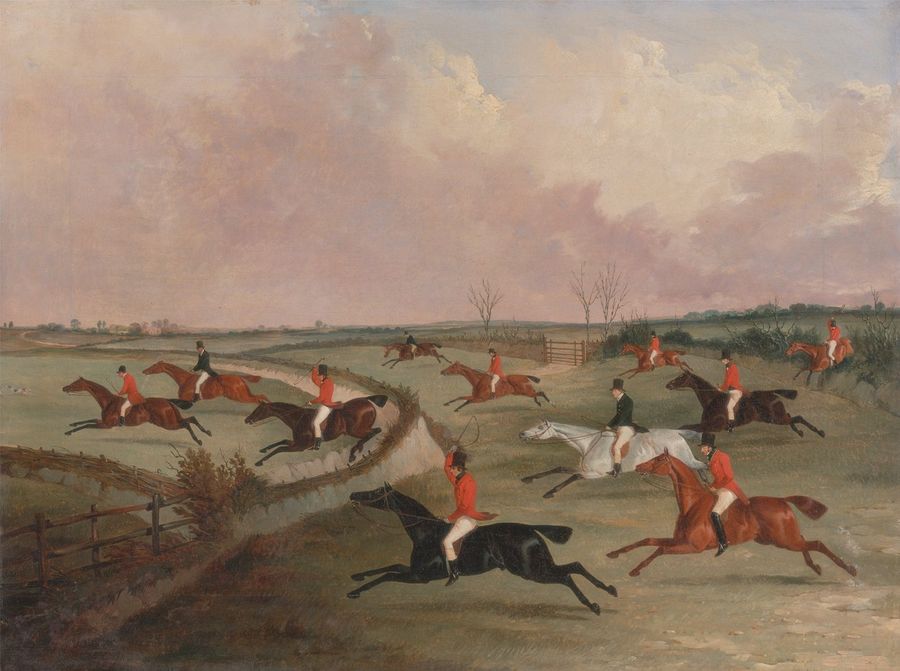
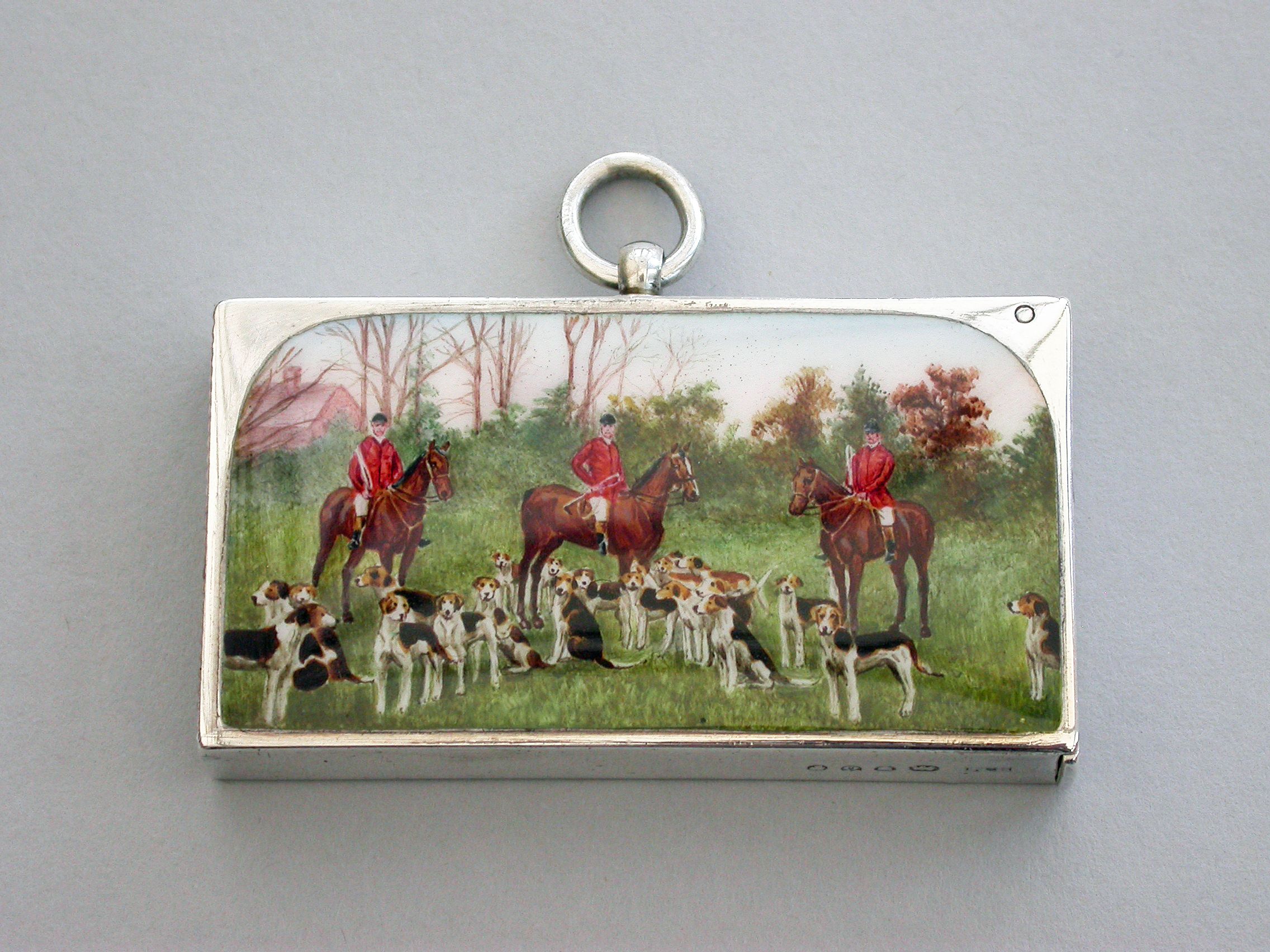
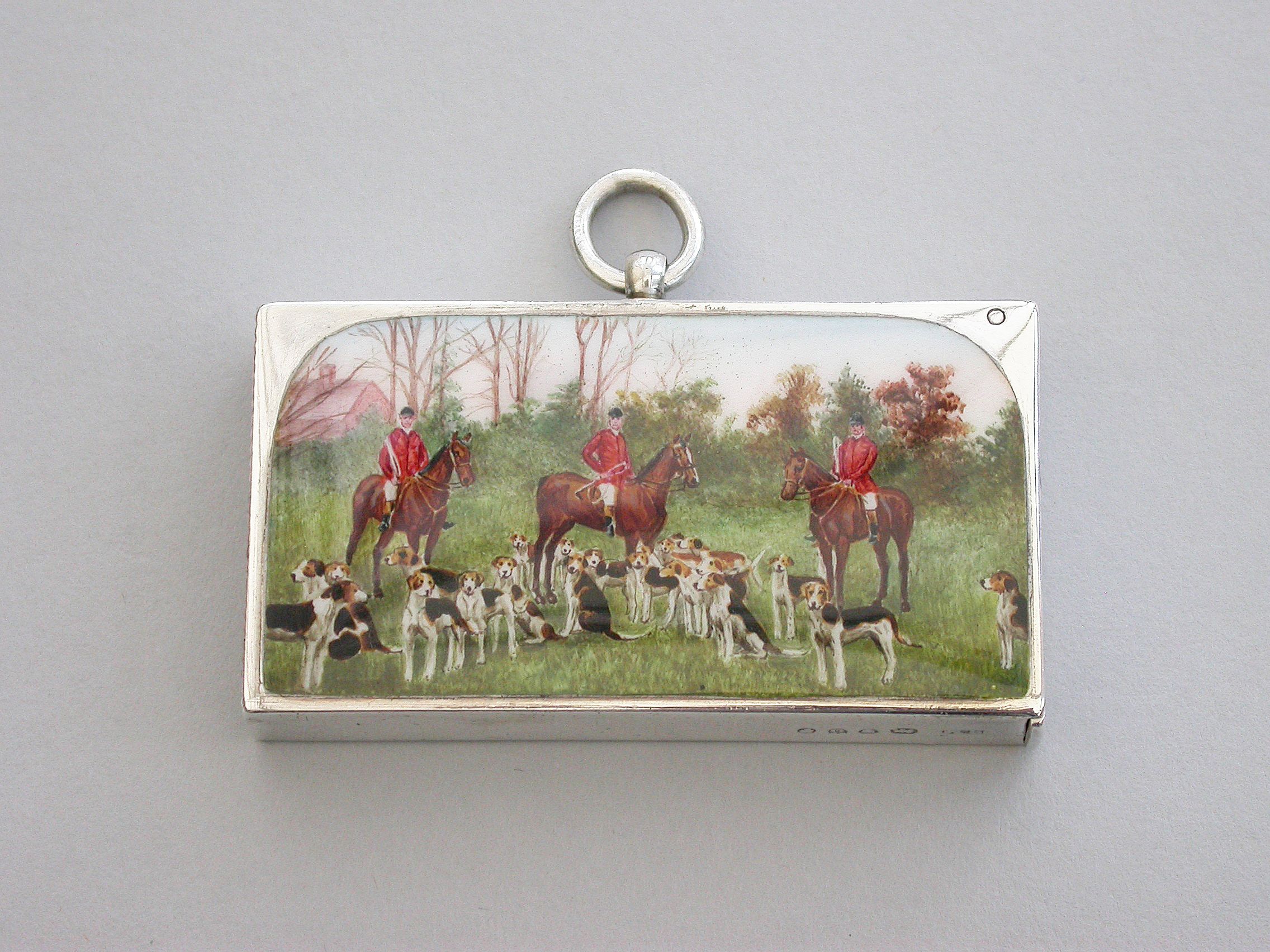
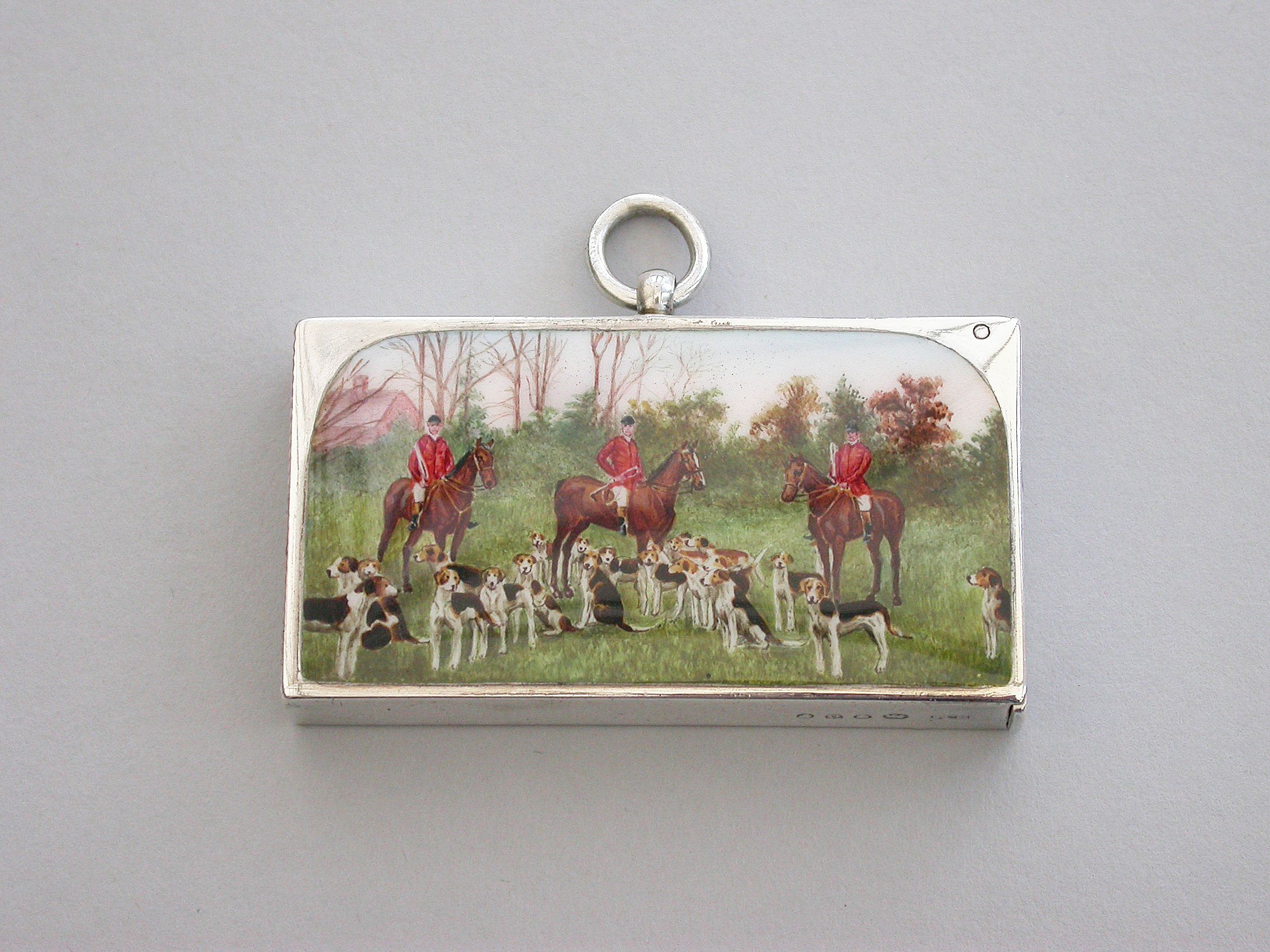
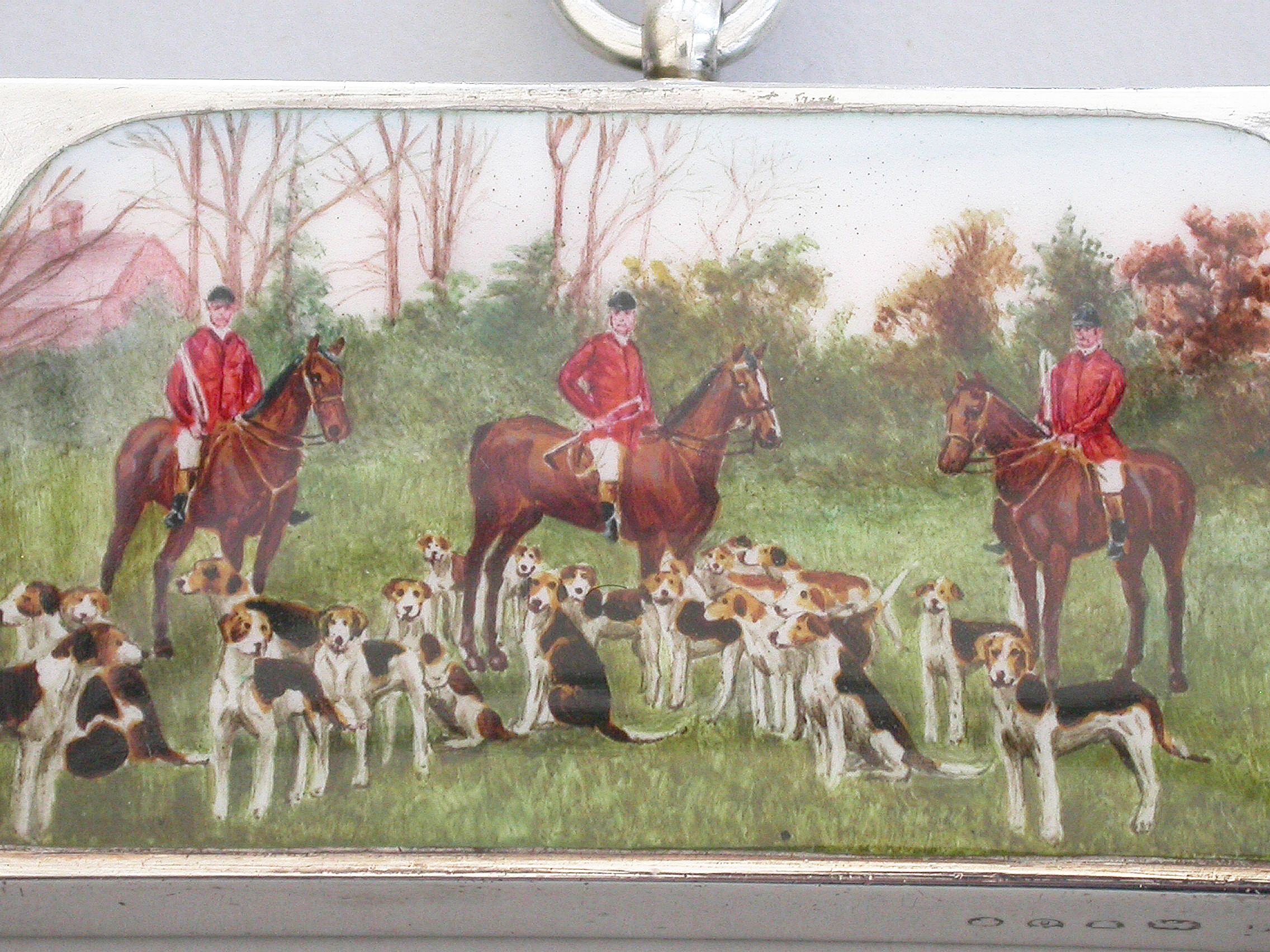
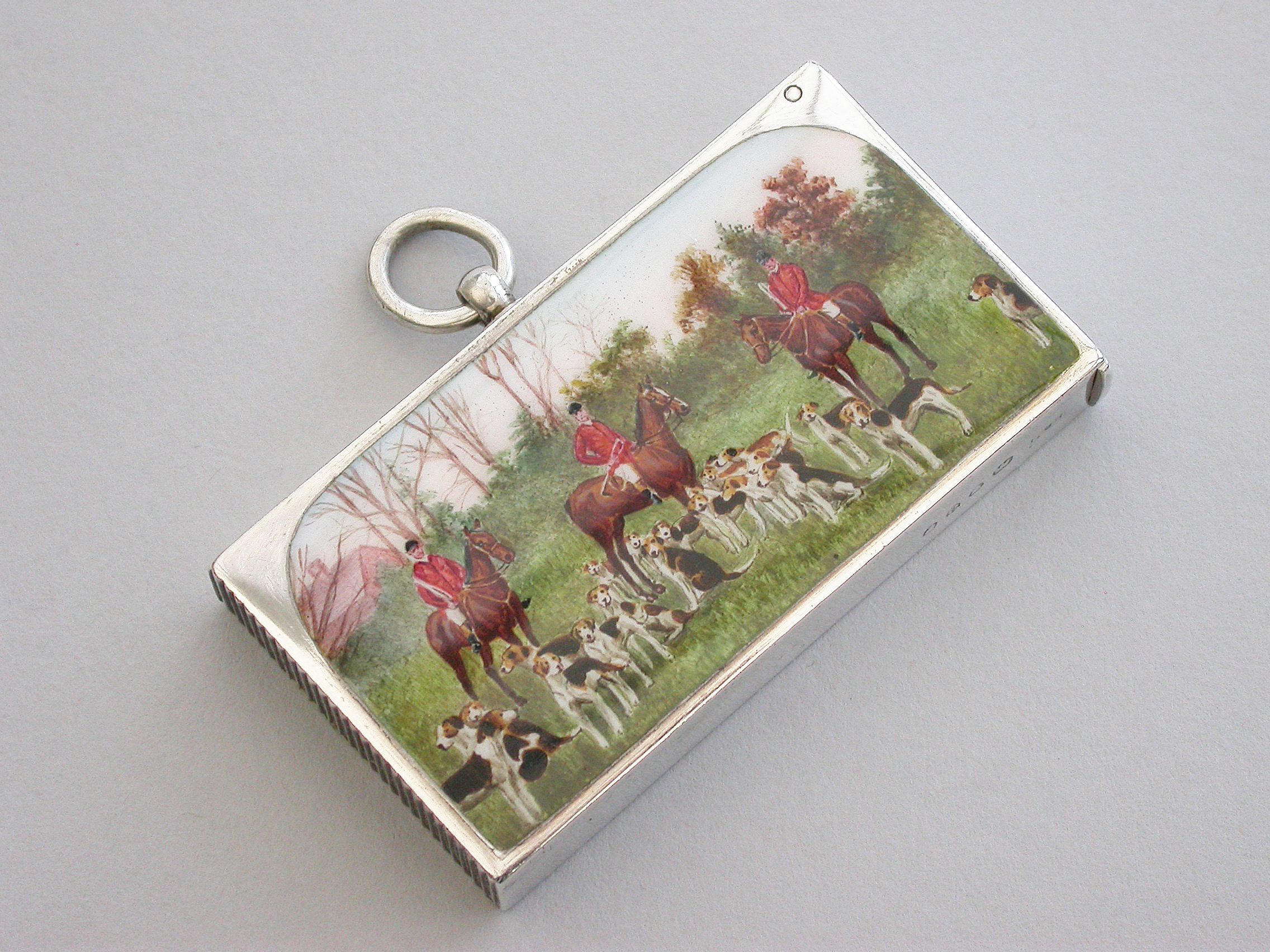
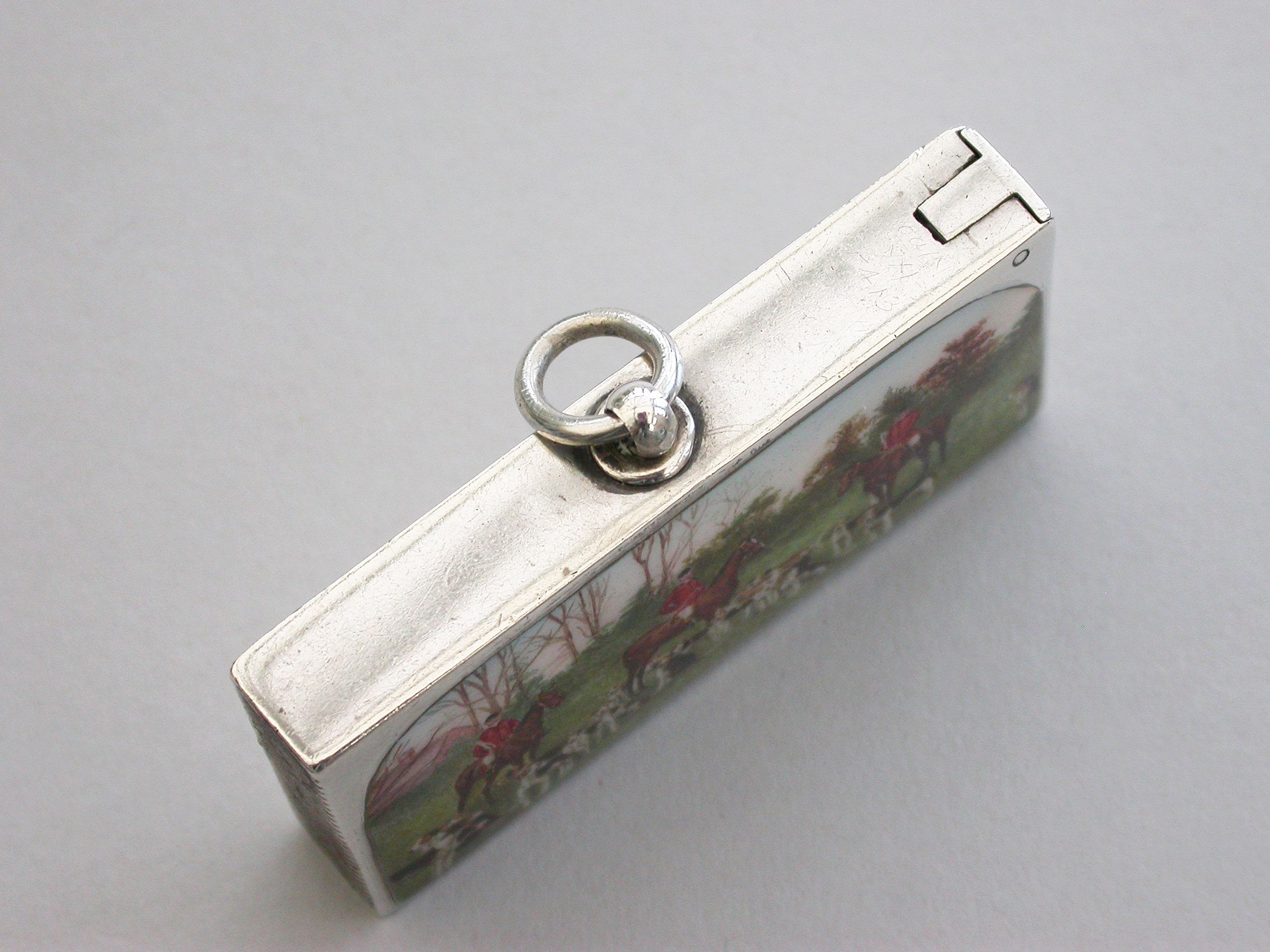
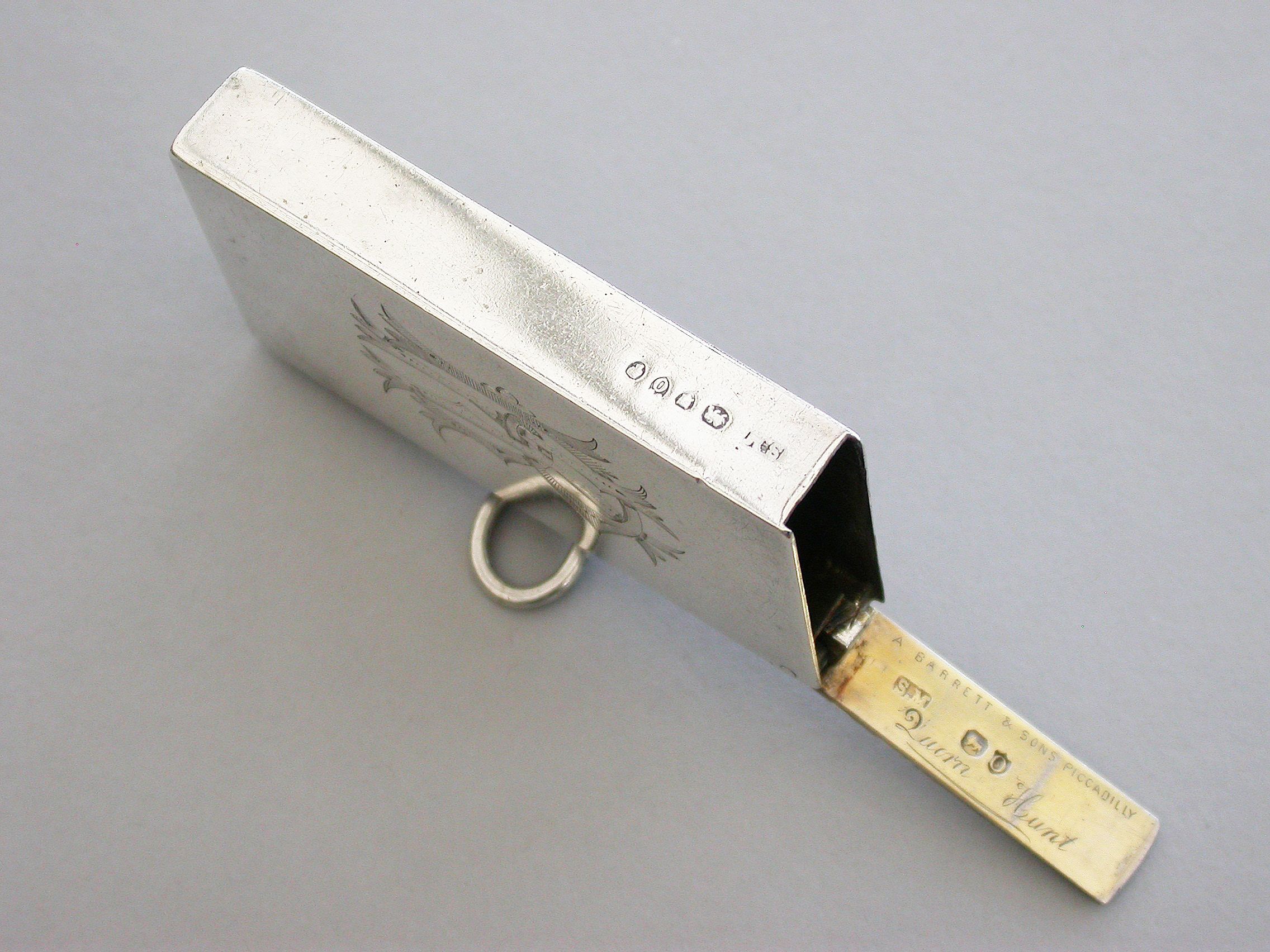
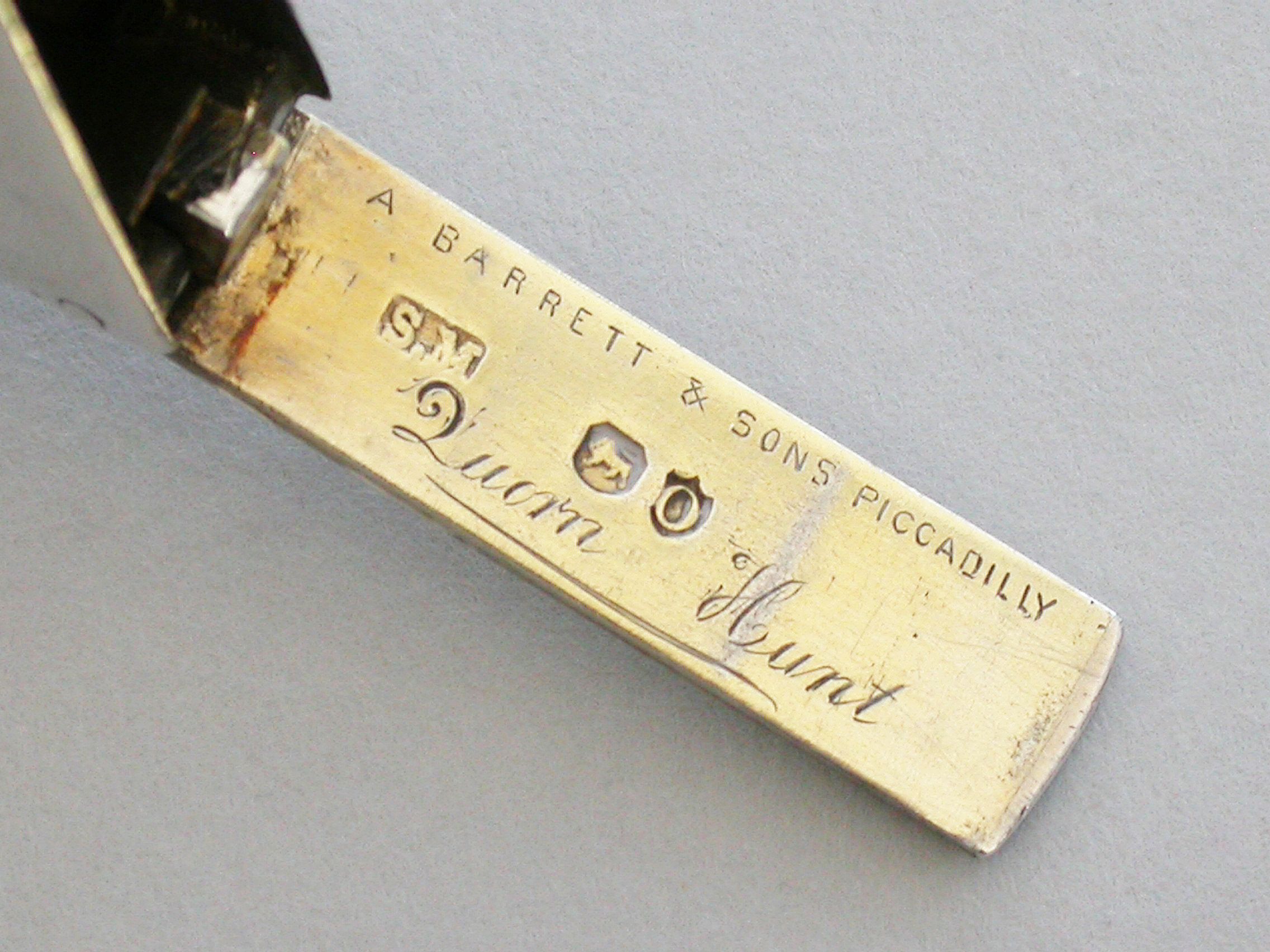
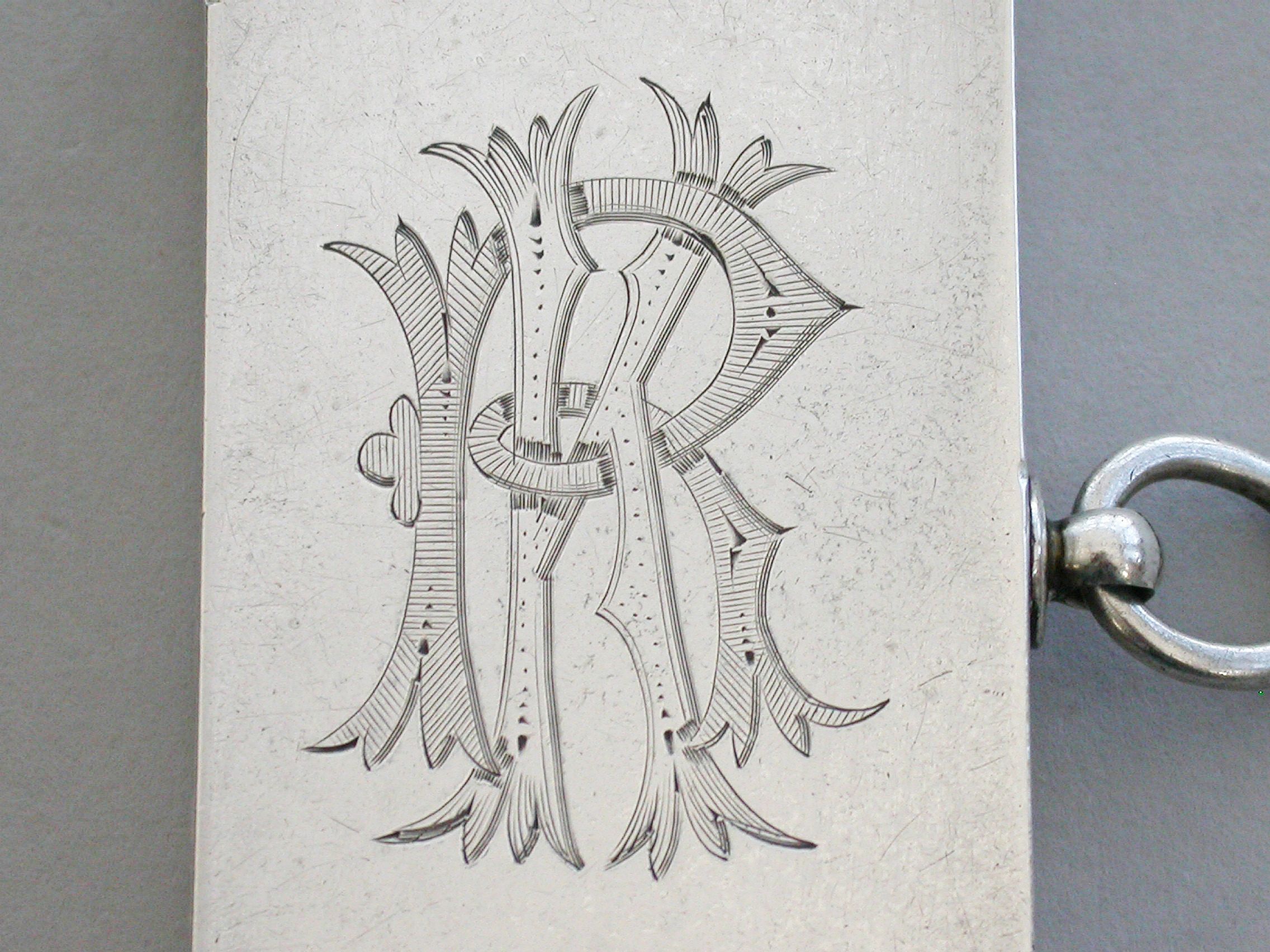
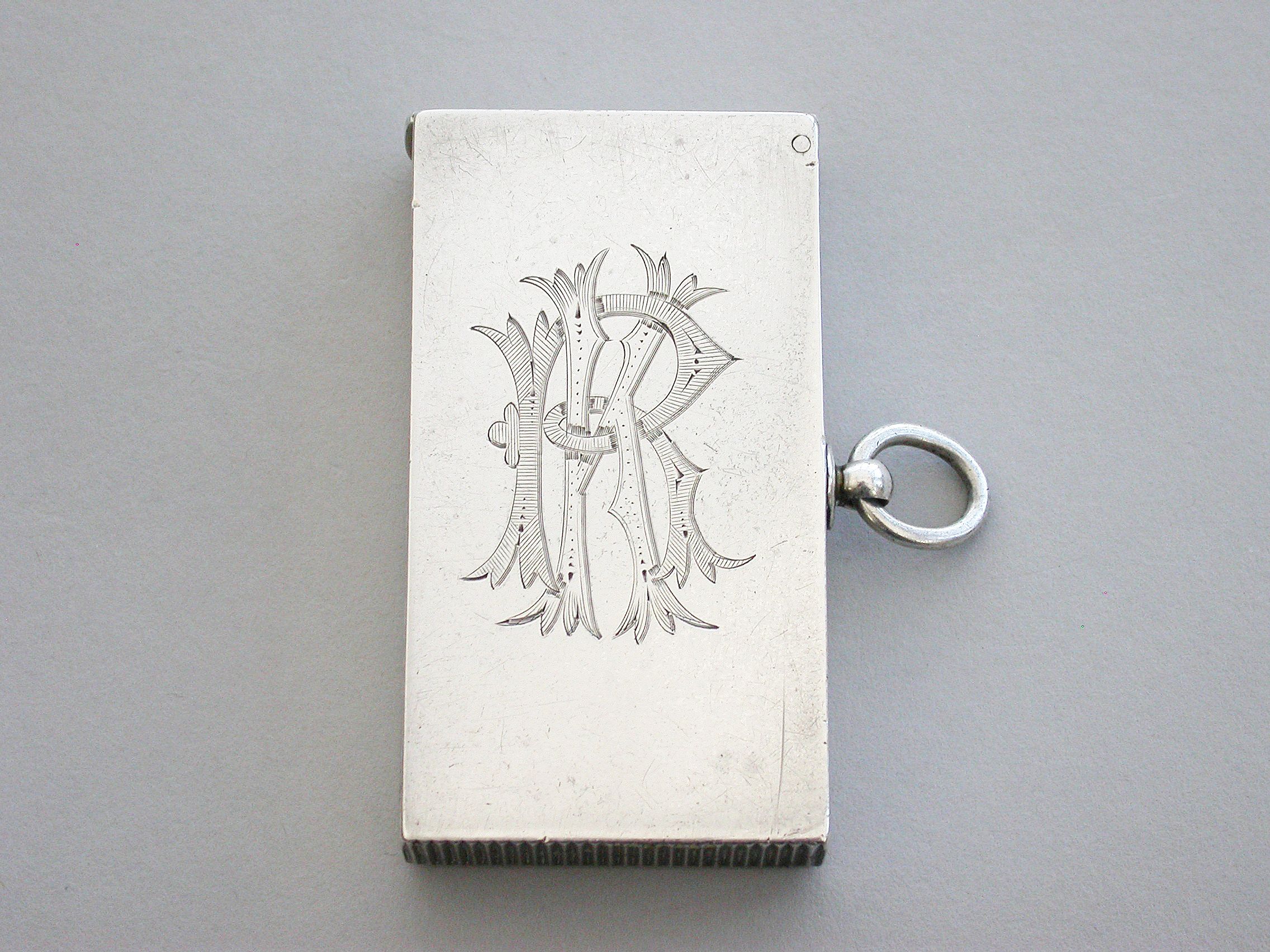
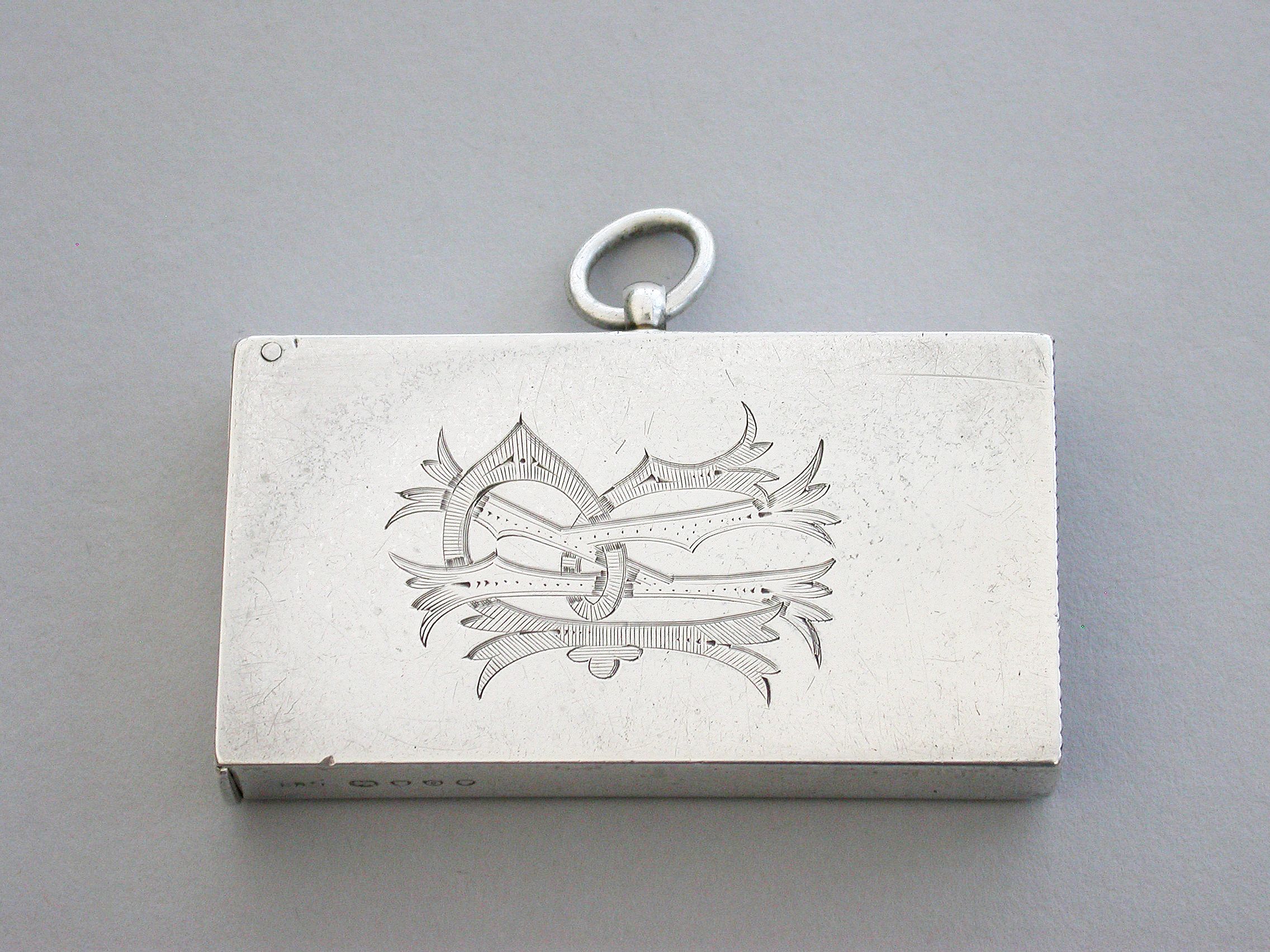
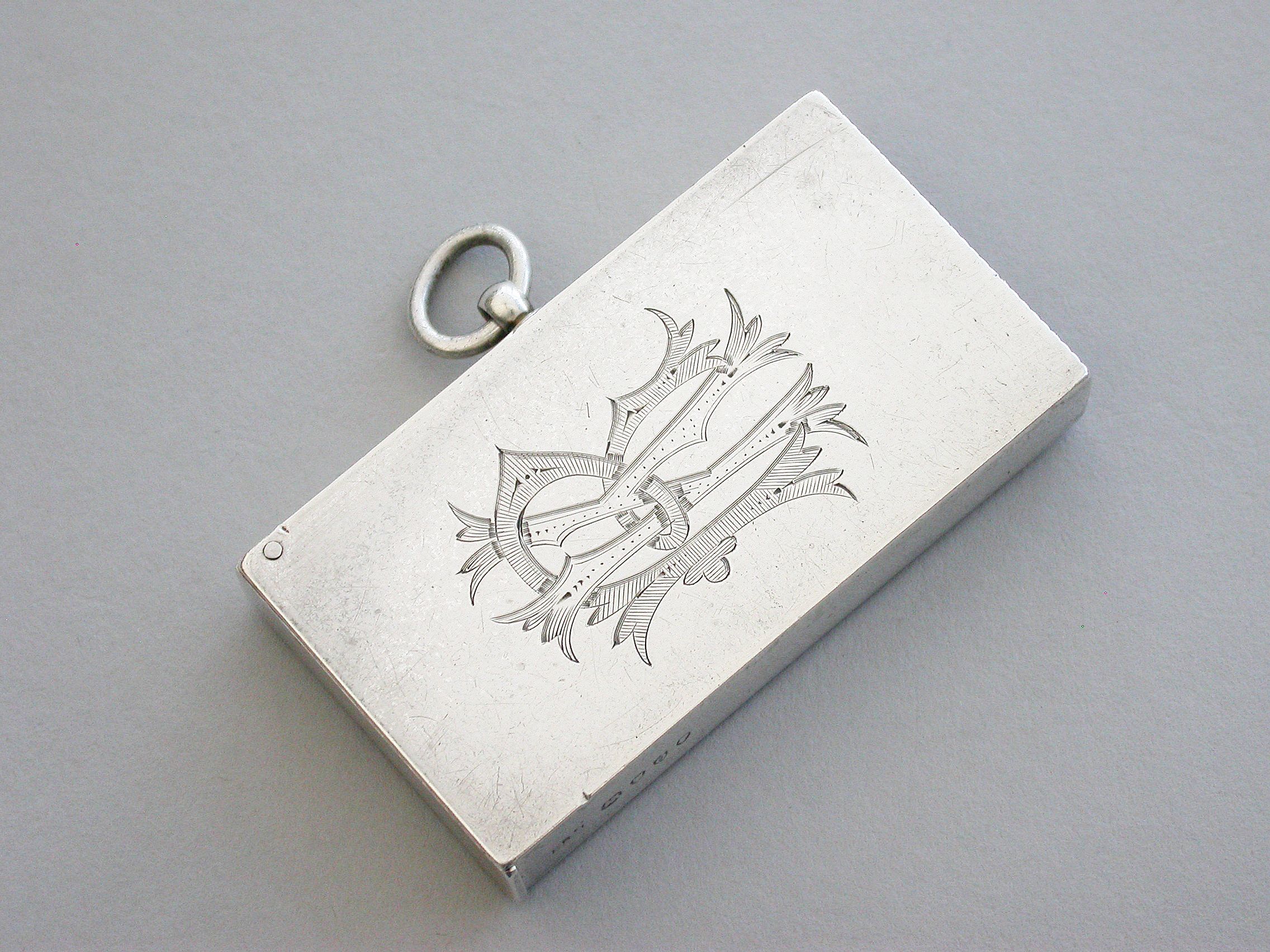
An extremely fine and rare Victorian silver and enamel Vesta Case of flat-top rectangular form with attached suspension ring, the face enamelled with a scene depicting three huntsmen with their pack of hounds. The reverse engraved with contemporary initials. The interior hinged silver gilt lid engraved "Quorn Hunt" and with the retailers name of A.Barrett & Sons, Piccadilly.
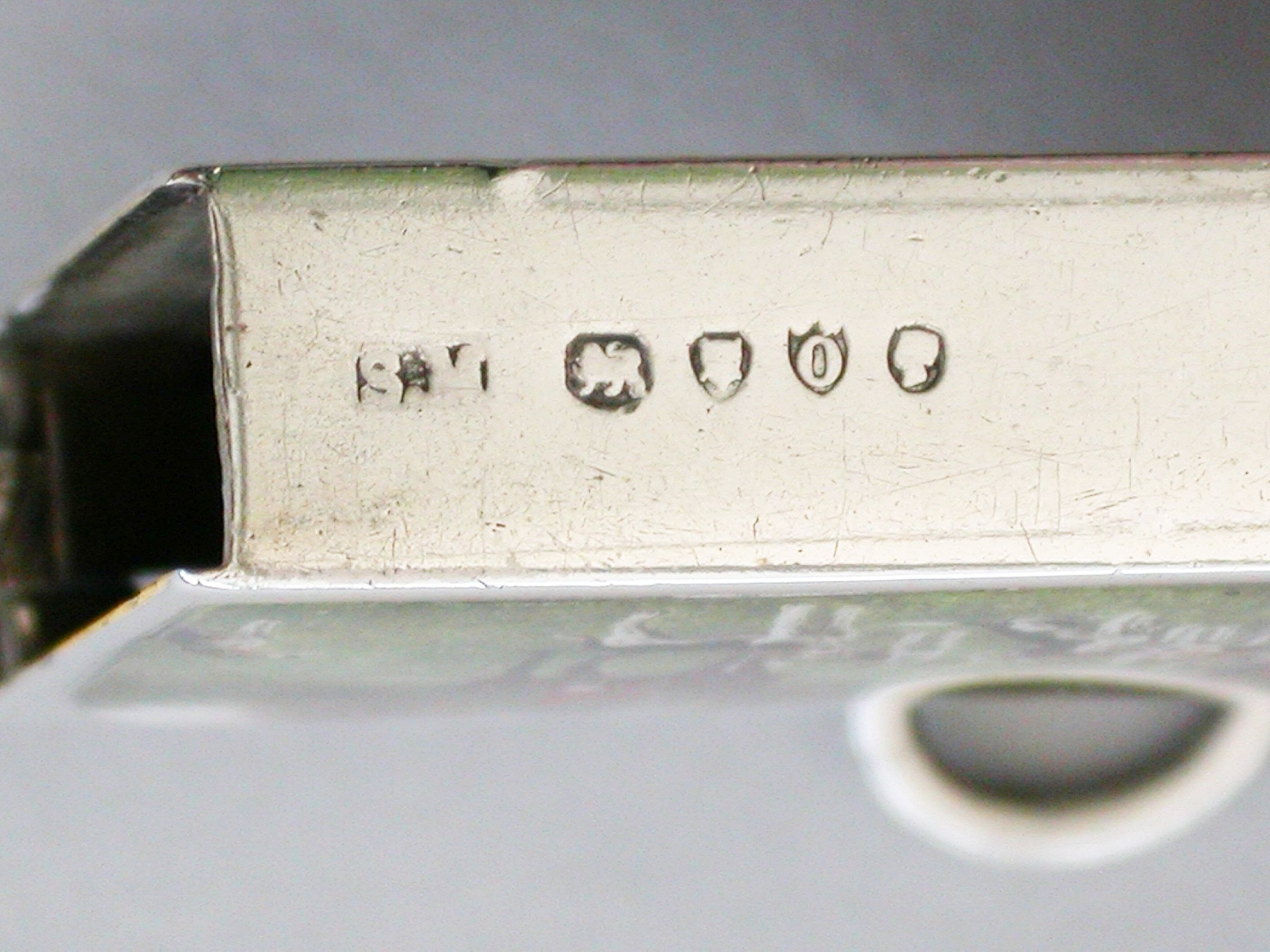
By Sampson Mordan & Co, London, 1889.
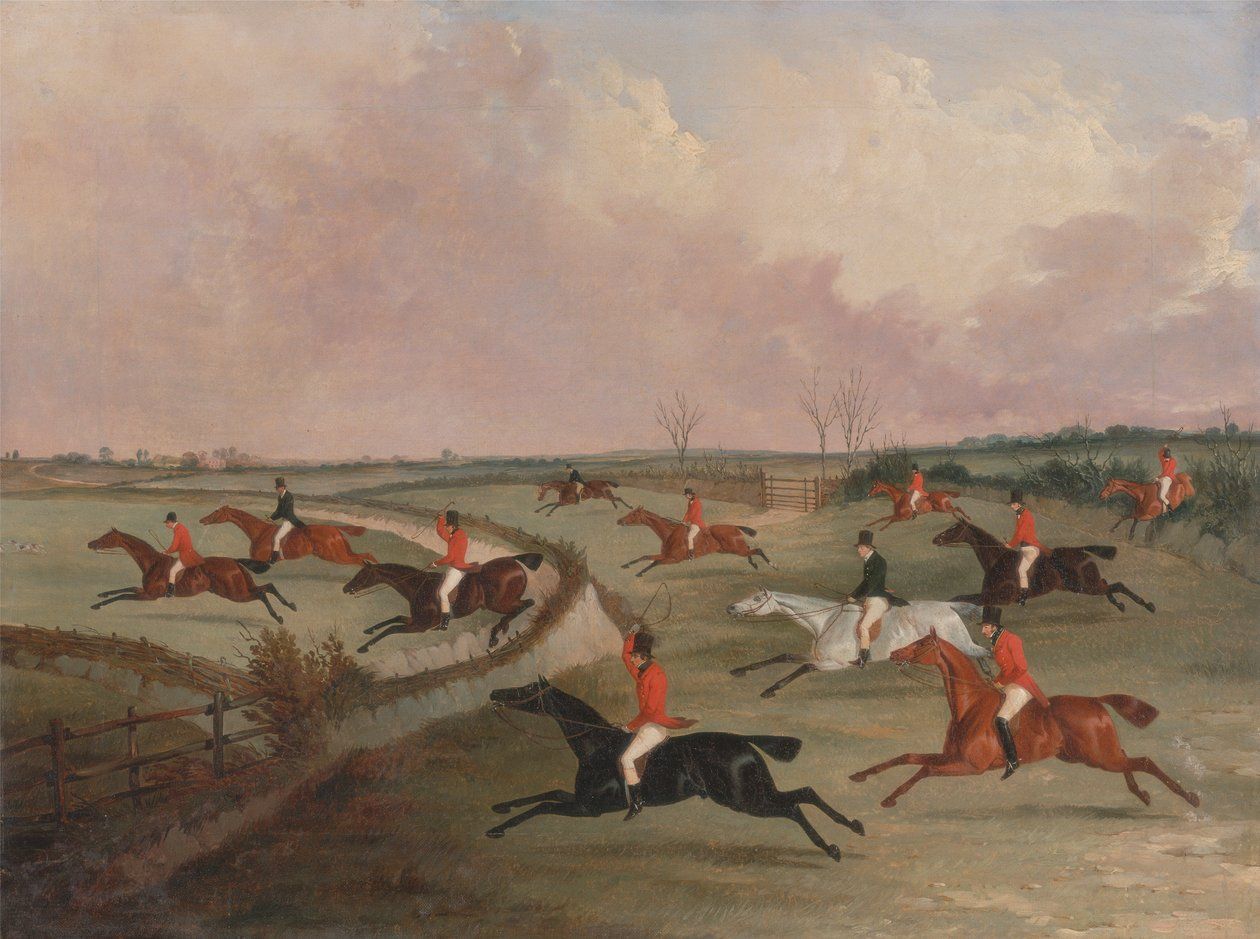
The Quorn Hunt has a claim to be the oldest hunt in the country, being founded in 1696 by Mr Thomas Boothby of Tooley Park, Leicestershire. Tooley Park lies about eight miles southwest of Leicester, just to the north of the Hinckley road. The hunt takes its name from the village of Quorn, where the hounds were kennelled from 1753 to 1904. Both Tom Boothby’s wives inherited land in Staffordshire, so it is likely his hunting domain covered a very wide area. Two years after Mr Boothby's death, the son of a Lyttelton Poyntz Meynell, a certain Hugo Meynell first rented Quorn Hall. Such was his devotion to hunting that he became known as the Father of Foxhunting. His mastership of the Quorn ran from 1753/4 to 1799/1800.
The hunting country in High Leicestershire during Hugo Meynell’s day was open grassland with few roads, railways and houses. The only ancient woodland of any note was Old Dalby Wood – more extensive then than now. What changed the face of the countryside were the enclosures. The hunt needed places where a fox might lie and be easily found. The solution was sought and found in the making of new coverts, not less than two and no more than twenty acres in extent. The land became enclosed with hawthorn hedges which, when cut and laid, were not only stock proof but became a very inviting obstacle to jump. And so began the process of what can be seen in Leicestershire and beyond, even today: small woods surrounded by hedged pastureland.
Kirby Gate, the first turnpike gate on the Leicester road from Melton, became the site for the opening meet, and remains so to this day and Gartree Hill, traditionally the first draw. Melton became a mecca for foxhunters; with many fine hunt boxes (small manor houses) being established in and around the town by the country’s gentry. The visitors became known as Meltonians and drinking and carousing became the après-hunt activities of the day. The ‘mad’ Marquis of Waterford, who rented Lowesby Hall has two claims to fame in this neck of the woods – the first was to jump his horse over a farm gate in the main hall (the gate still remains at Lowesby and the gate jumping has recently been revised, not however, in the Hall but at an equestrian centre). The second was, together with his fellow Meltonians, to ride into Melton one dark night and paint the doors red – hence the expression ‘to paint the town red’.
A bit of trivia: John O’Gaunt Station, opened in 1895 and closed in 1952, was the only station in the country to be named after a fox covert that is situated a mile to the south. The station was also used to transport horses, in some luxury, by rail from London for a days hunting.
Reserved - £1,850.00